Structured, scalable control system design for reliable plant operation, automation performance, and long-term support.
A good control system is more than PLC code and HMI screens; it is the logic, structure, interlocks, alarms, communications, and operator interaction that determine how a plant actually runs. Poor control system design can lead to inconsistent production, difficult troubleshooting, operator confusion, unnecessary downtime, and limited scalability when the plant needs to grow.
At 4B Automation & 4B Systems, we develop control system designs that give plants a strong automation foundation from the start. Our designs are built to support safe, repeatable, and efficient operation across processing systems, utilities, skids, and full production facilities.
We focus on practical design that works in real plants; combining automation, electrical, instrumentation, networking, and process understanding into one coordinated control strategy.
Our Solution:
We provide complete control system design services for new projects, plant expansions, brownfield upgrades, and automation standardisation. This includes:
- Control philosophy development
- I/O architecture and device integration
- Sequence and interlock design
- Alarm and fault strategy
- Network and communication structure
- HMI/SCADA integration planning
- Reporting and traceability requirements
- Supportability and future scalability considerations
Our design approach ensures the control system is not just functional on day one, but maintainable, understandable, and ready for long-term plant use.
Key Features / Capabilities
Control Philosophy Development:
• Clear definition of how the plant, line, or skid should operate.
• Start-up, shutdown, permissives, interlocks, and fault responses.
• Better alignment between operations, maintenance, and engineering.
• Stronger consistency across systems and projects.
Sequence & Interlock Design:
• Structured control sequences for process and utility systems.
• Safe interlocks between pumps, valves, drives, tanks, and field devices.
• Reduced risk of operator error and process instability.
• Better process repeatability and equipment protection.
Alarm & Fault Strategy:
• Alarm hierarchy and prioritisation.
• Useful fault diagnostics and operator guidance.
• Clear event handling for faster troubleshooting.
• Reduced nuisance alarms and improved response time.
PLC, HMI & SCADA Integration Design:
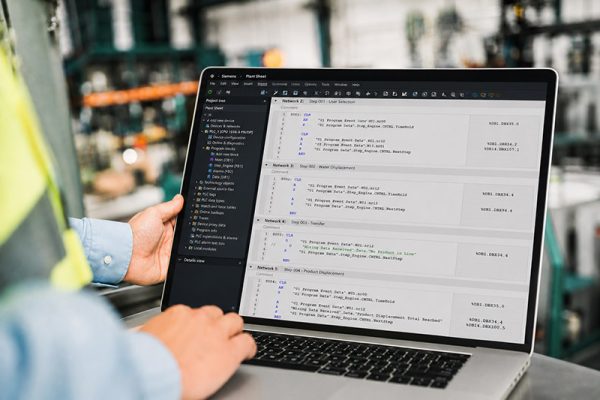
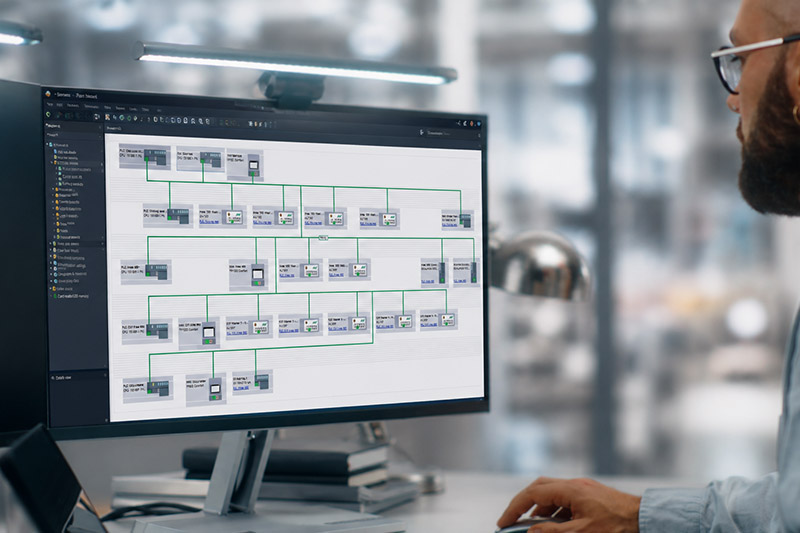
• Control structures prepared for PLC programming and HMI/SCADA deployment.
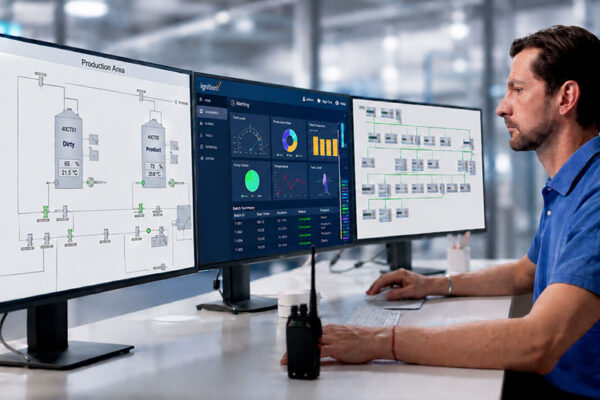
• Logical integration between field devices, control panels, PLCs, HMIs, and plant-wide SCADA.
• Stronger visibility and easier long-term software support.
Instrumentation & I/O Planning:
• Integration of sensors, transmitters, valves, drives, and field devices.
• Structured I/O mapping and control-device planning.
• Better commissioning efficiency and future maintainability.
OT & Communication Architecture:
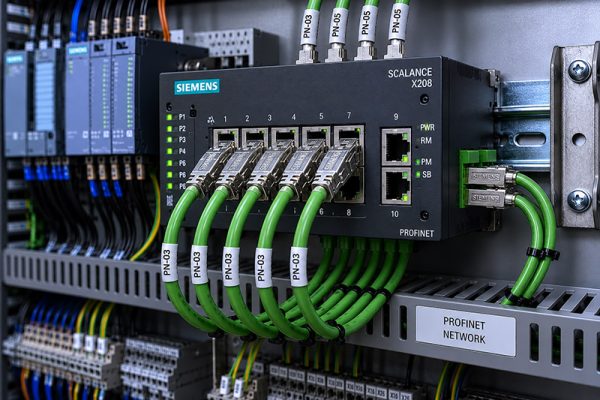
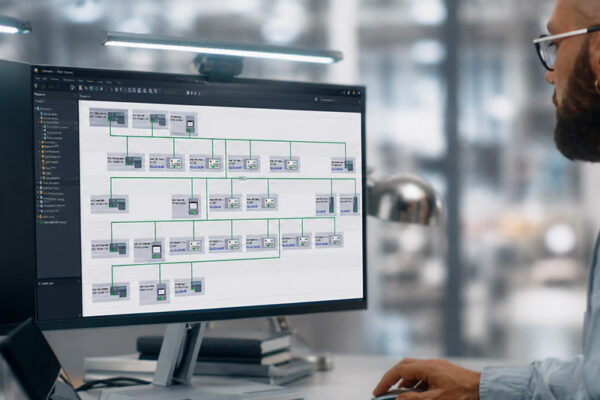
• Communication planning between PLCs, HMIs, SCADA, drives, remote I/O, and smart devices.
• Practical architecture for plant-floor reliability and future expansion.
• Better support for connected factory initiatives.
Scalable, Standardised Design:
• Standard structures that support easier maintenance and future upgrades
• Design consistency across process areas, skids, and utilities
• Improved supportability for plant teams and service partners
Supportable by Design:
• Systems designed for real operators, electricians, technicians, and engineers.
• Easier troubleshooting, training, and long-term ownership.
• Reduced dependence on one-off custom logic structures that are hard to maintain.